Four records, whatever is eating the feed. Hedge is built on those primitives rather than
on pigs and chickens specifically — which is why the same ledger carries a farrowing
house, a layer shed and a banana block without three separate systems arguing about the
same bag of feed.
Crops and plantation — banana, blocks and plotsLive
Cattle · fish · rabbit · beesNot yetNo Hedge customer runs these today and we have no Rwandan benchmark worth publishing. We would rather say so than show a screen that does not exist.
What Hedge does about it
Every section below measures a gap. These four close it.
Farm Creek built this on its own two sites before it was sold to anyone, so what follows
is what a Rwandan farm gets in the first cycle — whichever species is eating the feed.
One million head, and a record that is about to become law.
Rwanda keeps 1,006,890 pigs. Ninety to ninety-five per cent of the farms holding them are
smallholdings of one or two sows; there are fewer than a hundred commercial pig farms in
the country. Thirty-eight per cent of farms keep any record at all, and the slaughter
slabs keep none.
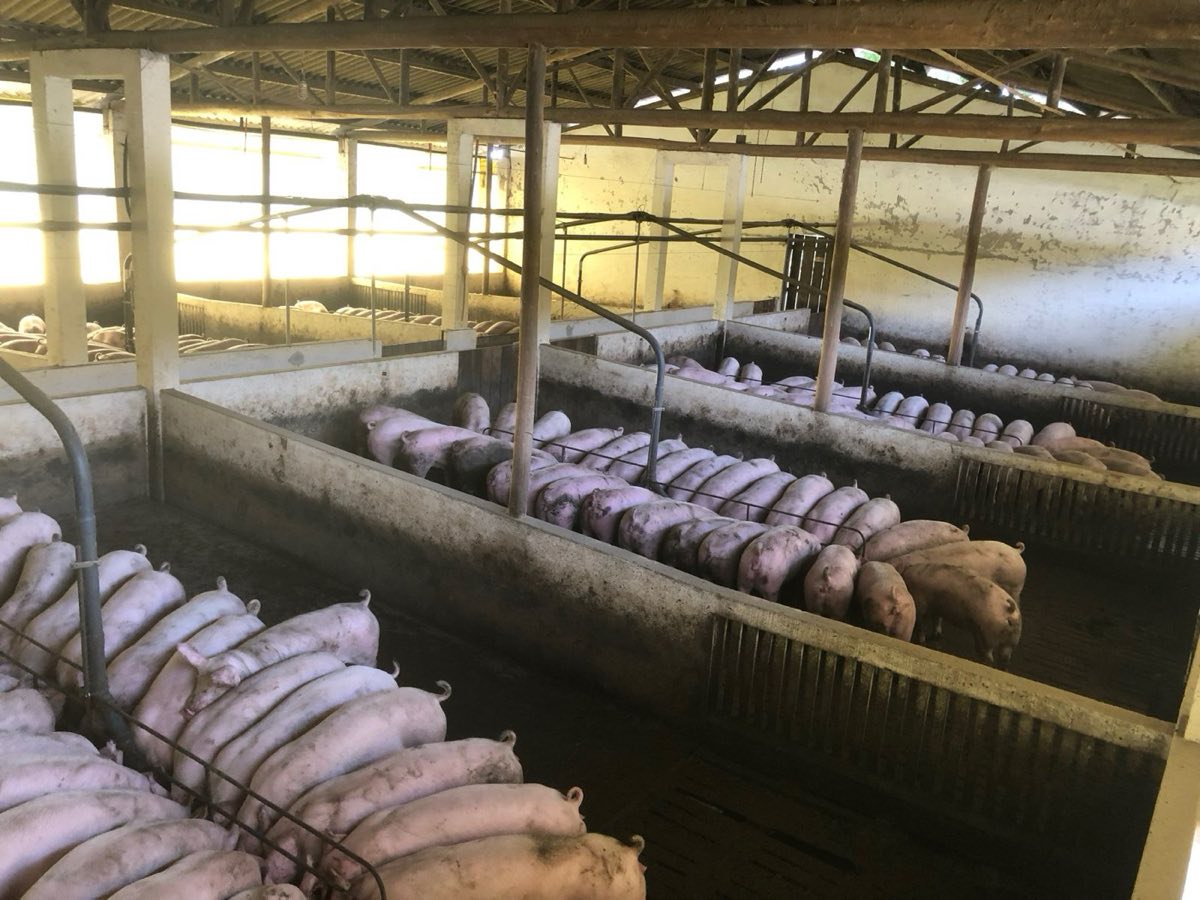
Plate 01 · Pigs
Kept in Rwanda1,006,890head
A finishing house is already divided into cost centres. Nothing in the concrete tells you
which pen ate what — that only exists if somebody writes it down against a name, on the
day, and the same name is still there at slaughter.
Farmer-ranked constraints
What pig farmers say stops them
Share of surveyed farms naming each constraint · Mbuza et al., Int. J. Livestock Production, 2016
Feed is first by a distance, and feed is the one constraint a record can act on
immediately — because a feed issue booked against a named pen is the difference between
knowing your cost per kilo of gain and guessing it.
Disease
African swine fever, on the record
381Notifications to WOAH, with 7,463 deaths recorded between 2005 and 2019
Outbreak reporting is only as good as the farm record behind it. A mortality event
that reconciles against head count — rather than drifting from it — is the difference
between a notifiable event and an unexplained shortfall at year end.
Condemnation
RWF 5,000 for a single cyst
One cysticercosis cyst deducts RWF 5,000 at the slab — twenty to forty per cent of a
medium pig's value. Nothing at the slab is written down, so the loss never reaches
the farm's books and the same herd repeats it next quarter.
Frontiers in Veterinary Science, pig value-chain mapping
Regulation
Registration goes from optional to compulsory
PSTA 5 targets · endpoints are published, the path between them is drawn indicatively
What Hedge holds for a pig herd
Three of the five constraints above are answered by the same thing: a booking against a
named pen, on the day it happened. Not a note in a book that agrees with nothing else.
Feed, against the pen that ate it
A feed issue is a stock movement and a journal entry at once, charged to the pen. Cost
per kilo of gain is then a figure the system already holds, not a month-end guess.
A loss that reconciles
Mortality moves head count, so a death cannot quietly drift from the herd it came out
of. What you notify and what your books say are the same number.
A register, before it is compulsory
Herd, ages, movements and treatments are already the record PSTA 5 will ask for by
2028/29 — kept because it is useful, not assembled the month the rule lands.
Layers
Every bird arrived with a specification. Almost none are held to it.
1,272,783 layers, a third of a national flock of 3.86 million. Purchased birds outnumber
home-hatched ones eight to one, which means nearly every layer in Rwanda came off a
commercial hatchery with a breed manual behind it. Rwanda produced 112,856,811 eggs in the
last survey year and sold 68% of them — the market is not the constraint either.
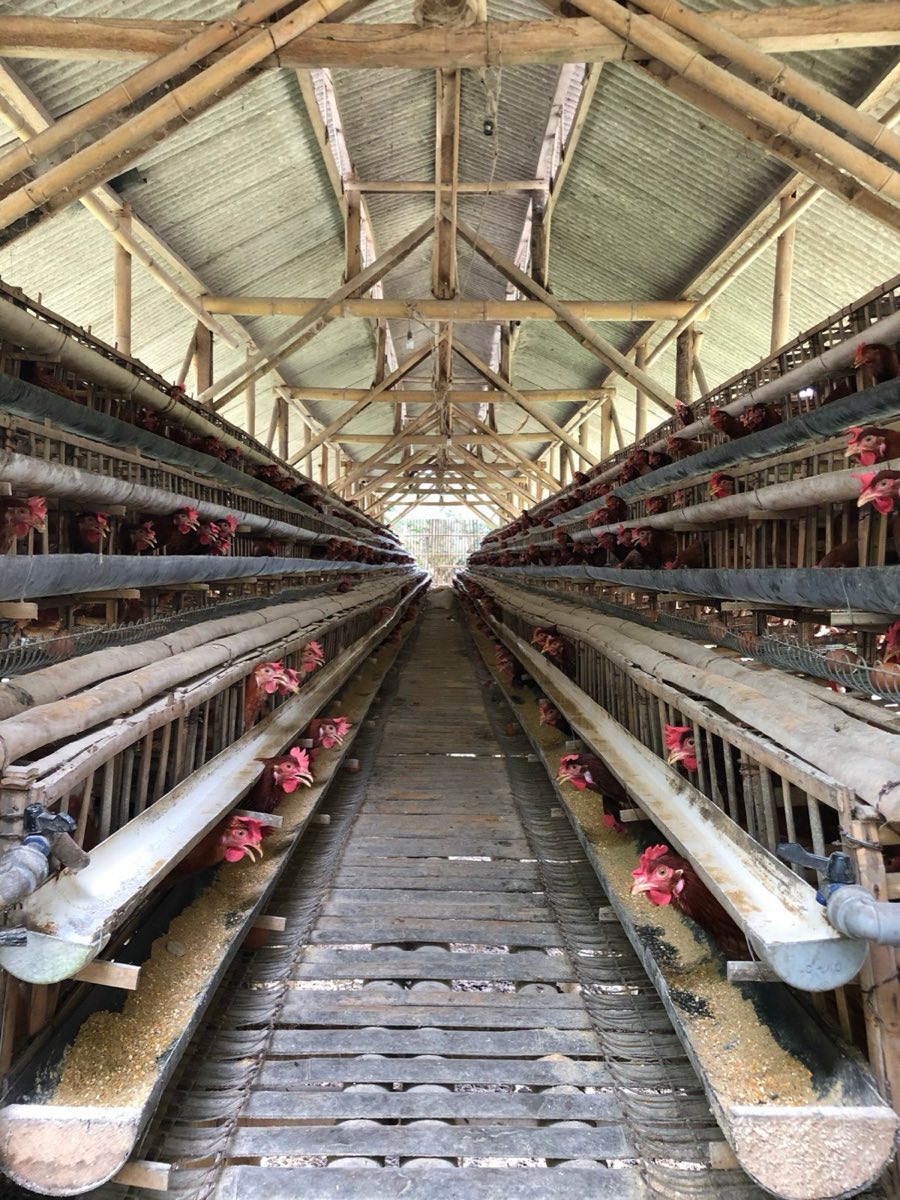
Plate 02 · Layers
National flock3,860,000birds
A house like this is a specification made physical: a known breed, a known age, a known
feed. The manual says what it should return. The gap between that and what the
crate holds at the end of the week is the only number this system exists to close.
Yield
116 eggs a hen, never laid
Rwandan field yieldThe shortfallBreed objective
Netherlands, Poultry Sector Analysis Rwanda 2019 · Hendrix Genetics / ISA breed objective to 100 weeks
Mortality
Twenty per cent, planned for
Lohmann manual, 5–7% lossMINAGRI baseline, 20% loss
MINAGRI Livestock Development Strategy 2024–2029 · Lohmann Brown-Classic, liveability in lay 93–95% · endpoints cited, the curve between them is indicative
What Hedge holds for a layer flock
The manual for the birds you bought already says what they should return.
Closing that gap needs three numbers kept honestly, every day.
Per house, per day
Eggs collected, birds lost, feed issued and water, against the house that produced
them. A day's lay rate is a day's rate — the system refuses a cumulative total filed
as a daily figure, because that is how a flock quietly reads at 181%.
Against the breed curve
Your lay rate and cumulative eggs per hen housed, set beside the manual for the
genetics you actually bought — not a generic average.
Into the ledger
Feed issued to the shed is a stock movement and a journal entry at once, so cost per
egg is a figure the system already holds rather than a month-end reconstruction.
Broilers
Ten extra days of feed, buying weight the bird already had.
240,711 birds, 6.2% of the national flock, selling into a domestic chicken-meat market
worth RWF 153 billion — thirteen times the egg market. Rwandan houses clear at 42 to 45
days and 2.4 to 2.5 kg. The Cobb 500 supplement puts 2,521 g on day 35.
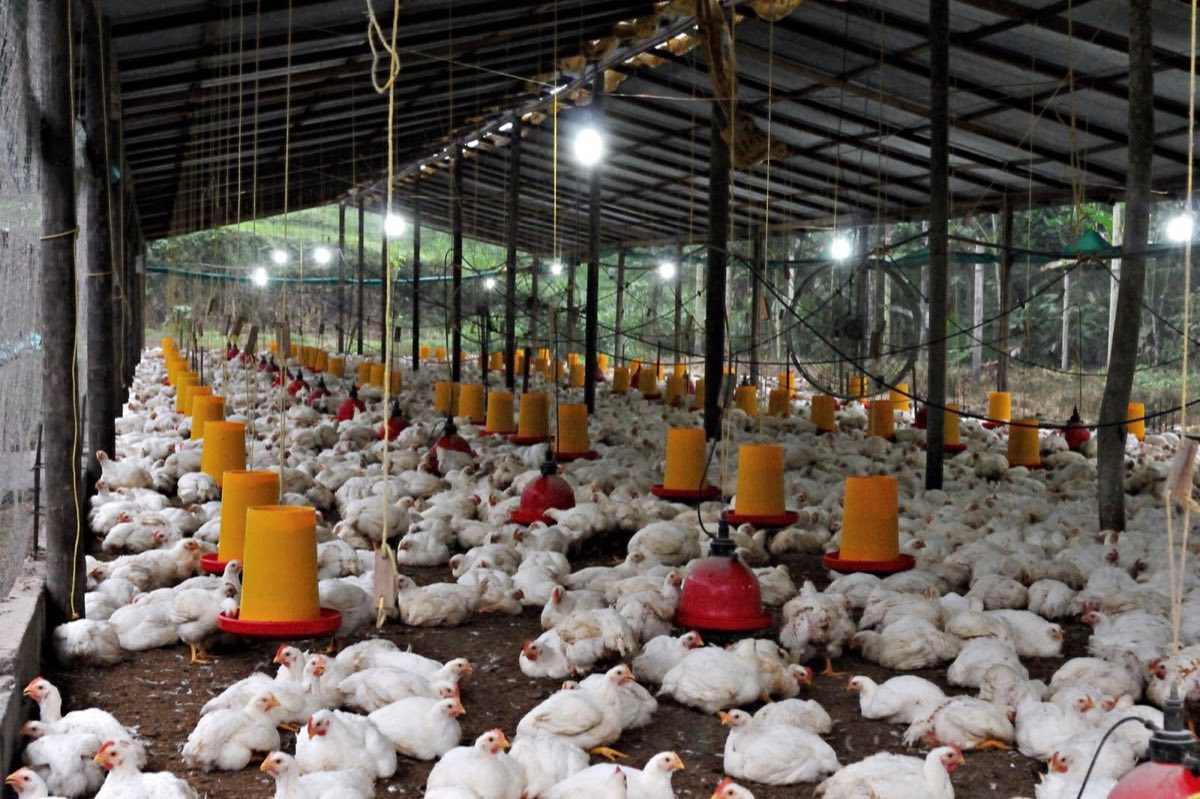
Plate 03 · Broilers
Chicken meat marketRWF 153bndomestic, annual
A broiler house is the one enterprise on the farm with a clock running. Every day the
birds stay is feed bought and a placement not made — which is why the date the house
was filled matters as much as the weight that leaves it.
Feed
1.465 kg a bird, for a week that added nothing
Cobb-Vantress performance supplement 2022, cumulative FCR 1.441 · Rwandan slaughter age from Netherlands 2019
Stocking
Twice the density CASA recommends
Netherlands 2019, against CASA's own 4–5 per square metre recommendation
Why the week is invisible
Nobody hides those ten days. They simply are not measured, because measuring them needs a
daily weight and a daily feed issue booked against the same house, on the same date, in
the same system — and on most farms the weights live in a notebook and the feed lives on
an invoice. Hedge posts both to the same batch, so the cumulative feed conversion of a
house is a number you can read on day 30 rather than a number you infer after the birds
have gone.
What Hedge holds for a broiler batch
A batch is a clock. Every figure below is stamped with the day it belongs to, which
is the only reason the tenth extra day can be seen at all.
Placement to clearance, dated
The day the house was filled, every weight sample since, and the day the birds left —
one batch, one timeline, so age is never reconstructed from memory.
Feed conversion while it still matters
Cumulative feed and cumulative weight against the same batch, so the FCR is a number
you read on day 30 rather than one you infer after the house is empty.
The next placement, costed
A house standing full is a house not filled. Clearance date and cost per bird sit in
the ledger together, so the decision to hold or clear is arithmetic.
The bunches that earned nothing are the ones nobody wrote down.
Banana covers 267,676 hectares of Rwanda and the crop grew 4.1% last season, past 1.3
million tonnes. Almost none of it is recorded by block. A plantation writes down what it
sold, because that is what came back as money — so the bunch given away, the bunch that
split on the path and the bunch eaten at home vanish, and the yield of the block is wrong
by exactly the amount nobody was paid for.
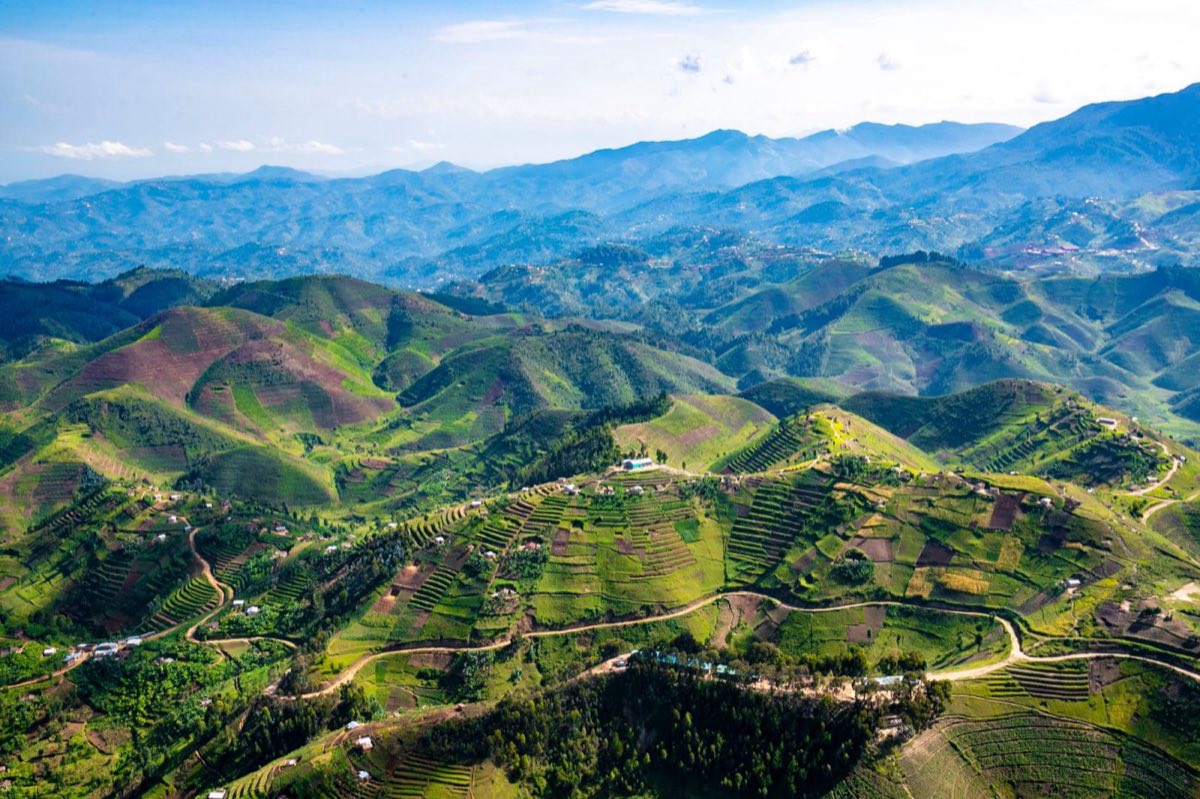
Plate 04 · Banana
Banana in Rwanda267,676 haSeason A 2026
Farm Creek grows banana at Kayonza and keeps pigs and poultry at Karaba. The plantation
is the site that would have gone back to a spreadsheet if the system had only ever
understood animals — which is why a block is a first-class thing in the ledger and not a
crop bolted onto a livestock app.
What Hedge holds for a plantation block
A block is a herd that does not move. It has a population, it takes feed, it yields and
it loses — so it runs on the same four records as the sheds, and its costs land in the
same ledger.
Cost per block, not cost per farm
Mats are counted per block and inputs are applied to a block, drawing stock down as
they are recorded. A fertiliser run is a cost with a place attached, so the block
that is losing money can be named.
Every bunch has a destination
Sold, collected by the buyer, given away, damaged, taken for home use — five
dispositions, so the harvest that earned nothing is still on the record and the
damage rate is a figure rather than an impression.
Next season is the register's own arithmetic
Mats, bunches per mat per year and average bunch weight are held against each block,
so the forecast is computed from the plantation you actually have instead of last
year's tonnage plus optimism.
The primitives carry across: cattle, fish, rabbit and bees are all a herd or a batch, a
feed issue, a growth record and a loss. But no Hedge customer runs them today and we have
no Rwandan benchmark data for them worth publishing, so this is a description of what
onboarding would involve — not a product tour.
Plate 05 · Not yet
Most of what is farmed in this valley, Hedge has never been run on. We would rather
name the four we could take than imply we already have.
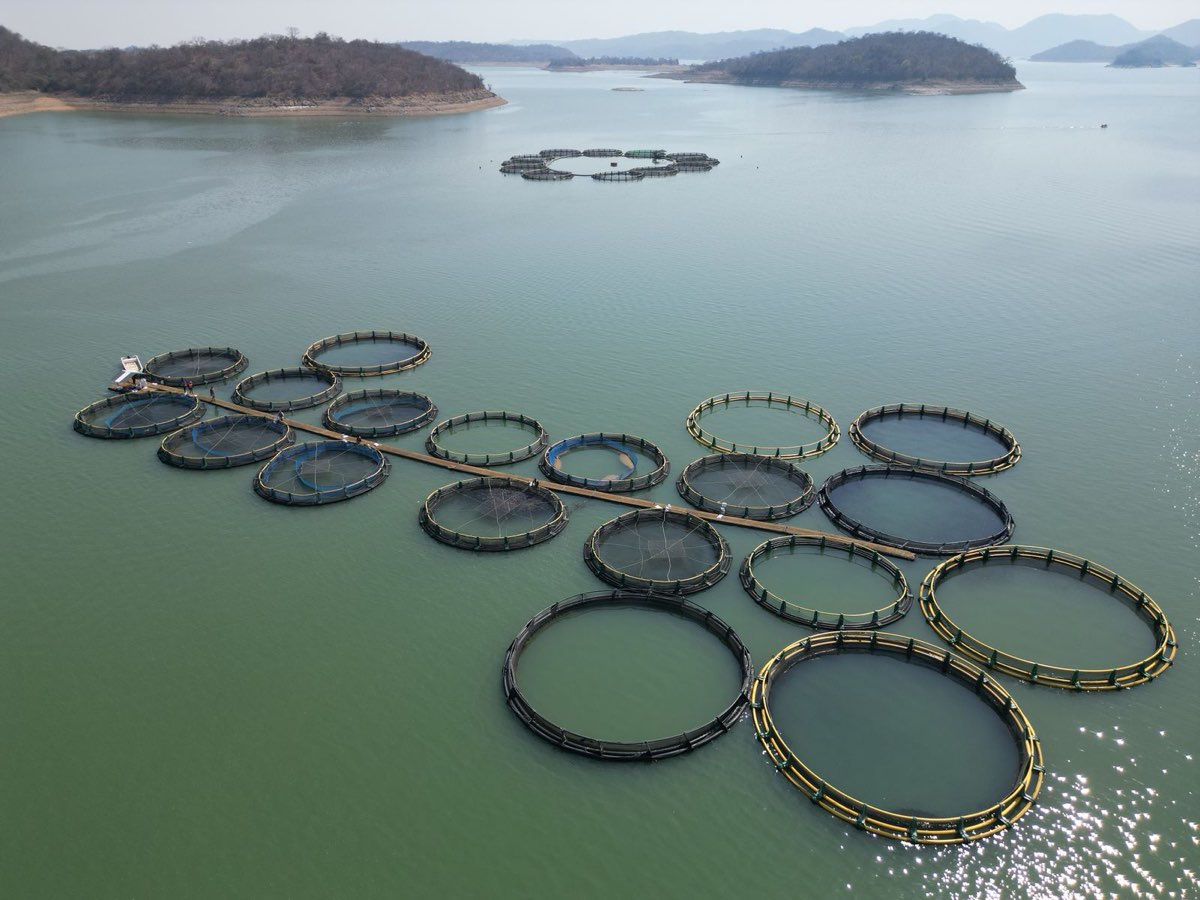
Plate 06 · Fish
A cage on a lake is the closest of the four to something we already run — a batch,
stocked on a date, fed daily, sampled for weight. What is missing is the water,
and a tilapia operation without oxygen and temperature is not being managed.
Pigslive
Layerslive
Broilerslive
Cattlenot yet
Fishnot yet
Rabbitnot yet
Beesnot yet
Not yet
Cattle
Dairy needs a lactation record
The animal, the weight log and the feed issue already exist. What is missing is a
lactation curve, a dry-off calendar and milk recorded per animal per milking — the one
place we would want a customer in the room before building.
Not yet
Fish
A pond is a batch with water quality
Stocking, sampling weights, feed and mortality map cleanly onto what is already there.
Dissolved oxygen, temperature and water exchange do not, and a tilapia operation
without them is not being managed.
Not yet
Rabbit
The closest fit of the four
Does, kindling, litters and weaning are structurally the same as a farrowing house.
This is the one we would expect to run soonest, and the one where we would ask you to
check our stage transitions before trusting them.
Not yet
Bees
A hive is not a herd
Colonies split, abscond and merge, so head count is the wrong primitive entirely.
Honest answer: this would be new modelling, not a configuration change.
If you run one of these, come and be the first. We will tell you exactly what exists,
what we would have to build, and how long it would take — and if the answer is that you
should use something else this year, we will say that instead of selling you a roadmap.